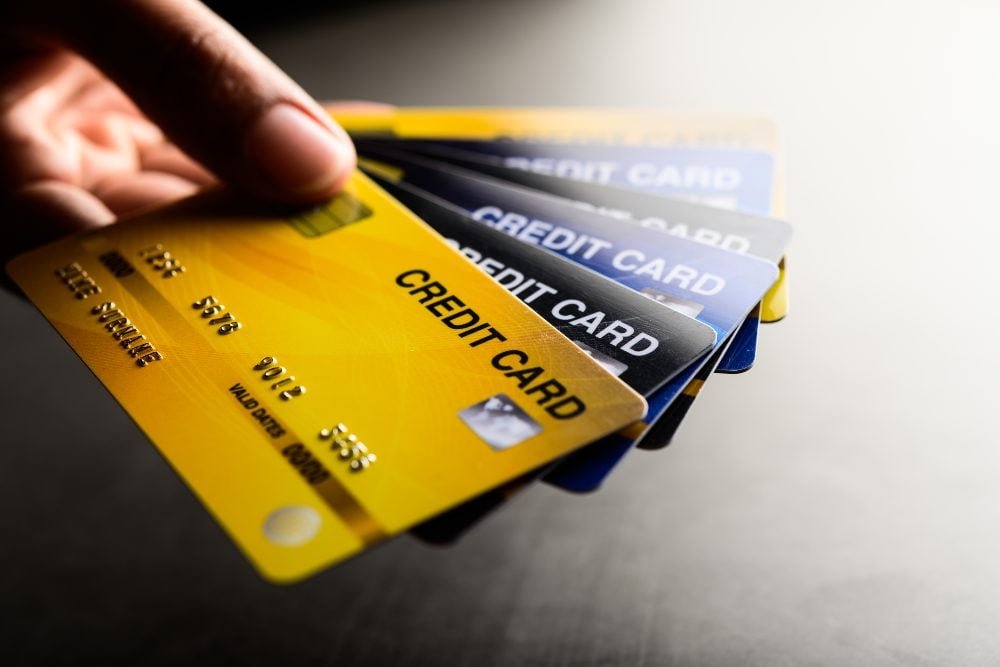
Introduction: The End of Plastic as We Know It
For decades, the credit card has been a symbol of financial freedom—a simple piece of plastic that unlocked a world of possibilities. But if you think the credit card’s story is written, think again. The industry is on the cusp of its most significant transformation yet, driven by rapid advancements in technology, shifting consumer expectations, and a growing demand for greater personalization and security.
The static, one-size-fits-all credit card of the past is rapidly becoming obsolete. In its place is emerging a dynamic, intelligent financial tool that lives as much on your smartphone as it does in your wallet. As we look towards 2025, the lines between fintech, banking, and everyday life are blurring, creating a landscape of innovation that will redefine our relationship with credit.
This article will dive deep into the most impactful credit card trends for 2025. We will explore how artificial intelligence is revolutionizing rewards, why virtual cards are becoming the norm for security, the integration of Buy Now, Pay Later (BNPL) into traditional credit, the push for eco-friendly materials, and the rise of embedded finance. Whether you’re a savvy consumer looking for the best financial tools or simply curious about the future of money, understanding these trends is key to navigating the new world of personal finance.
Trend 1: The Dominance of Digital-First and Virtual Cards
Perhaps the most visible shift in the credit card landscape is the move away from a physical-first approach. By 2025, the “card” will increasingly be defined not by the plastic in your pocket, but by the digital token in your phone.
What Are Digital-First Credit Cards?
A digital-first credit card is exactly what it sounds like: an account that is opened, managed, and primarily used through a mobile or web application before a physical card is ever issued—or, in some cases, without one at all. The moment you’re approved, your card details are available in the app, ready to be added to Apple Pay, Google Pay, or other digital wallets. This means you can start spending instantly, eliminating the tedious 7-10 business day wait for a piece of plastic to arrive in the mail.
This model, pioneered by fintech challengers like Chime, Revolut, and Varo, is now being aggressively adopted by major legacy banks like Chase and American Express. They recognize that modern consumers value speed and convenience above all else.
The Rise of Virtual Cards for Enhanced Security
Closely related to the digital-first movement is the proliferation of virtual credit cards. These are temporary, disposable card numbers that you can generate for specific online purchases. They are linked to your main credit card account but have their own unique number, expiration date, and CVV code.
Why is this a game-changer for security?
- Mitigates Data Breaches: If a retailer you shop at suffers a data breach, your actual credit card number remains safe. The hacker only gets the disposable virtual number, which you can delete instantly.
- Prevents Merchant Fraud: You can set spending limits and expiration dates on virtual cards. For a one-time purchase, you can create a card that expires after 24 hours, preventing the merchant from charging you again without authorization.
- Subscription Management: Create a unique virtual card for each of your subscriptions (Netflix, Spotify, etc.). If you want to cancel, you don’t even have to deal with customer service—just delete the virtual card.
By 2025, expect the ability to generate virtual cards to be a standard, expected feature within any reputable credit card app, not a niche offering.
Benefits for Consumers and Merchants
This shift offers a win-win scenario. For consumers, it’s about unparalleled convenience and ironclad security. For merchants, it means faster checkout processes and reduced fraud-related chargebacks. The entire ecosystem becomes more efficient and trustworthy.
Trend 2: Hyper-Personalization Powered by AI and Machine Learning
If the first trend is about how we access credit, this one is about what our credit does for us. Generic rewards categories like “2% back on gas and groceries” are about to be replaced by something far more powerful: hyper-personalization, driven by sophisticated Artificial Intelligence (AI) and Machine Learning (ML) algorithms.
Beyond Basic Rewards: The Dynamic Credit Card
Imagine a credit card that understands you. It learns your spending habits, anticipates your needs, and adapts its rewards structure in real-time to match your lifestyle. This isn’t science fiction; it’s the core promise of AI in credit cards.
Here’s how it works:
- Data Analysis: The AI analyzes your transaction history—not just the categories, but the merchants, the time of day, the frequency, and even the location. It might notice you spend a lot at independent coffee shops on weekday mornings.
- Pattern Recognition: The ML model identifies patterns and predicts future behavior. It might see that you book flights and hotels every three months.
- Dynamic Reward Allocation: Based on this analysis, the card automatically adjusts your rewards. Instead of a static 1% on dining, you might get 4% back at those specific coffee shops you frequent. When it predicts you’re about to book a trip, it might automatically boost your travel rewards to 5% for the month.
This level of personalization makes every credit card feel like it was custom-built for a single user: you. It maximizes the value you get back on your spending without you having to manually track categories or activate offers.
Personalized Financial Management Tools
The AI’s role extends beyond just rewards. Credit card apps in 2025 will function as personalized financial advisors. They will:
- Offer Proactive Budgeting Advice: “You’ve spent 80% of your dining budget this month. Here are some highly-rated restaurants that offer better value.”
- Identify Subscriptions You Don’t Use: “We noticed you haven’t used your gym membership app in three months. Consider canceling to save $30/month.”
- Provide Fraud Alerts with Context: Instead of a generic “suspicious activity” alert, you might get: “We’ve blocked a charge at an electronics store in another country, which is unusual for your spending pattern. Was this you?”
The Ethical Considerations
Of course, this level of data collection raises important questions about privacy and transparency. Card issuers in 2025 will need to be exceptionally clear about what data they collect and how they use it. The best players will give users granular control over their data, allowing them to opt-in to the personalization features they value while maintaining their privacy elsewhere.
Trend 3: The Integration of “Buy Now, Pay Later” (BNPL) Features
Buy Now, Pay Later (BNPL) services like Klarna and Afterpay exploded in popularity by offering a simple, transparent alternative to traditional credit card debt. Now, in a classic “if you can’t beat them, join them” move, credit card issuers are integrating BNPL functionality directly into their products.
How Credit Cards are Incorporating BNPL
Instead of making a purchase and letting it sit on your revolving balance (accruing high interest), you will increasingly be able to select an installment plan directly within your credit card app or at the point of sale.
For example, after buying a $1,200 laptop with your card, you might get a notification: “Want to pay this off over 12 months with a fixed 0% APR? Tap here to set up a plan.” This transforms a large, revolving purchase into a predictable, manageable loan.
The Appeal for Consumers and the Impact on the Ecosystem
This hybrid model offers the best of both worlds:
- For Consumers: You get the universal acceptance and rewards of a credit card, combined with the structured, interest-free repayment plans of BNPL. It provides clarity and helps avoid the debt trap that traditional credit cards are often criticized for.
- For Issuers: It increases customer engagement and “stickiness.” It also opens up a new revenue stream through small, fixed fees on the installment plans, while potentially reducing default rates compared to high-interest revolving debt.
This trend will further blur the lines between different types of credit products. By 2025, the distinction between a “credit card” and a “BNPL service” will be almost meaningless for many consumers, as they will be seamlessly integrated into a single, flexible spending tool.
Trend 4: A New Era of Security: Biometrics and Tokenization
As payments become more digital, security must evolve beyond static numbers like the 16-digit card number and CVV. The future of credit card security is invisible, frictionless, and built on two key technologies: biometrics and tokenization.
The Role of Biometric Authentication
Biometrics uses unique physical or behavioral characteristics to verify identity. We’re already familiar with using fingerprints or facial recognition to unlock our phones. This technology is now coming to credit cards.
- In-App Biometrics: Expect every credit card app in 2025 to require biometric login (fingerprint, face scan) as the primary security measure, making passwords a thing of the past.
- Biometric Cards: Some companies are already issuing physical cards with built-in fingerprint sensors. To authorize a transaction at a physical terminal, you simply hold your thumb on the sensor. The card verifies your identity and generates a unique, one-time code for the purchase, making it useless if stolen.
Tokenization Explained Simply
Tokenization is the technology that powers digital wallets like Apple Pay and is fundamental to modern payment security. Instead of transmitting your actual 16-digit credit card number to a merchant, tokenization replaces it with a unique, randomly generated “token.”
- Your Real Card Number: Never leaves your device or the bank’s secure vault.
- The Token: Is a useless string of characters that can only be decrypted by the payment network (e.g., Visa, Mastercard) to link the transaction back to your account for authorization.
If a merchant’s system is breached and tokens are stolen, the thieves have nothing of value. They can’t use the token to make purchases elsewhere, and it can’t be reverse-engineered to find your real card number.
The Future is a Frictionless, Fraud-Proof Experience
Together, biometrics and tokenization create a powerful combination. They make payments more secure than ever while simultaneously making them easier for the legitimate user. The goal for 2025 is a “zero-friction” experience where security is so seamless and intuitive that you don’t even notice it’s there.
Trend 5: The Green Wave: Sustainable and Eco-Friendly Credit Cards
Consumer consciousness is extending to the products they use every day, including their credit cards. The demand for sustainable and environmentally responsible options is no longer a niche concern; it’s a mainstream movement that card issuers can’t afford to ignore.
More Than Just a Gimmick
In the past, an “eco-friendly card” might have simply meant you could opt out of paper statements. Today, it means a fundamental rethinking of the card itself and the values it represents.
Materials Matter
The traditional PVC credit card is made from durable, non-biodegradable plastic. In 2025, we will see a massive shift towards alternative materials:
- Recycled Plastics: Cards made from reclaimed ocean plastic (like the Cobalt card from Bank of America) or other recycled PVC.
- Biodegradable Plastics: Cards made from PLA (polylactic acid), a plant-based material that can break down in industrial composting facilities.
- Metal and Wood: While not new, premium metal cards will be marketed for their longevity and reusability, while cards with wood inlays will appeal to those seeking a natural aesthetic.
Eco-Conscious Rewards Programs
Beyond the physical card, rewards programs are also going green. Instead of just cash back or travel points, issuers will offer options that appeal to the environmentally conscious consumer:
- Carbon Offsetting: Automatically calculate the carbon footprint of your purchases and use your rewards to fund certified carbon offset projects.
- Charitable Donations: Allow cardholders to easily redeem their points as donations to environmental non-profits like the World Wildlife Fund or The Nature Conservancy.
- Investments in Green Energy: Offer rewards that can be invested in green bonds or sustainable companies.
By 2025, a card’s environmental credentials will be a key differentiator, influencing the decisions of millions of consumers who want their spending to align with their values.
Trend 6: Embedded Finance and the “Super App” Ecosystem
Perhaps the most profound trend is the concept of embedded finance, which threatens to make the standalone “credit card” as a product less relevant. Embedded finance is the practice of integrating financial services—like payments, lending, and investing—directly into non-financial platforms.
The Super App Phenomenon
Think about the apps you use every day: Uber, Amazon, Grab, Shopify. These are no longer just for ride-hailing, shopping, or building an online store. They are becoming “super apps” that offer a complete suite of financial services.
- Uber offers drivers instant payouts and a debit card.
- Amazon offers its own branded credit cards and installment payment plans.
- Shopify provides small business loans to its merchants based on their sales data.
In this model, credit becomes a feature of a larger ecosystem, not a separate product you have to go out and apply for. You might be offered a line of credit directly within your favorite travel app to book a flight, or an installment plan within a retail app to buy a new pair of shoes.
How This Affects Traditional Credit Cards
This poses a major challenge to traditional card issuers. The battle for “top of wallet”—the primary card a consumer chooses to use—is shifting. It’s no longer just about competing with other banks. It’s about competing with tech giants and platforms that have a deeply integrated, daily relationship with the user.
By 2025, the most successful financial products will be those that are seamlessly embedded into the consumer’s journey, offering credit at the exact moment it’s needed, with minimal friction.
What These Trends Mean for You, the Consumer
This wave of innovation is overwhelmingly positive for consumers, but it also requires a new level of financial literacy.
The Benefits:
- More Control: Virtual cards and biometrics give you unprecedented control over your account’s security.
- More Value: AI-driven personalization ensures you’re getting the maximum possible value from your everyday spending.
- More Flexibility: Integrated BNPL and embedded finance offer more ways to manage larger purchases without resorting to high-interest debt.
- More Alignment: Sustainable cards allow you to support causes you care about through your normal spending habits.
The Challenges:
- Data Privacy: You must be vigilant about how your data is being used to power these personalized experiences.
- Digital Literacy: Navigating these new features requires a comfort level with technology and mobile apps.
- Complexity: With so many options and features, choosing the right product will require more research than ever before.
How to Choose the Right Credit Card in 2025
Given these trends, the “best” credit card will be the one that best fits your individual digital lifestyle and values. When evaluating your options in 2025, look beyond the APR and annual fee and ask these questions:
- How strong is the mobile app? Is it intuitive, secure, and does it offer features like virtual cards and spending analytics?
- How personalized are the rewards? Does the card offer dynamic, AI-driven rewards, or are you stuck with static categories?
- What are the security features? Does it offer biometric login and is it built on a tokenized platform?
- Does it offer flexible payment options? Can you easily convert purchases into fixed installment plans?
- Does the card’s ethos align with yours? If sustainability is important to you, what is the card made of and what are its green rewards options?
The future of credit isn’t about finding a single piece of plastic. It’s about finding a flexible, intelligent financial partner that adapts to your life.
Conclusion: Embracing the Future of Spending
The credit card trends of 2025 paint a clear picture: the future is digital, personalized, secure, sustainable, and embedded. The humble plastic card is evolving into a powerful, AI-driven financial hub that lives in your pocket and works for you in ways we are only just beginning to imagine.
This transformation promises to make managing money easier, safer, and more rewarding than ever. It will give consumers more choice and control over their financial lives. For those willing to embrace these changes, the future of spending is incredibly bright. Stay informed, compare your options critically, and get ready to meet the next generation of credit.
Frequently Asked Questions (FAQ)
Q1: Will physical credit cards disappear completely by 2025? A: It’s unlikely. While digital-first usage will dominate, physical cards will still exist for a long time, especially for use in regions with less developed digital infrastructure or for individuals who prefer them. However, their role as the primary method of interaction will diminish significantly.
Q2: Are AI-powered credit cards safe? A: Yes, in many ways they are safer. The same AI that personalizes your rewards is also exceptionally good at detecting fraudulent activity by identifying spending patterns that deviate from your norm. The key is to choose issuers who are transparent about their data usage and have strong security measures like tokenization and biometrics in place.
Q3: What is the single most important credit card trend to watch for 2025? A: While all the trends are significant, hyper-personalization powered by AI is arguably the most game-changing. It fundamentally alters the value proposition of a credit card from a generic tool to a bespoke financial instrument, maximizing rewards and providing insights tailored specifically to you.



Tinggalkan Balasan